.


1. Which Women Are Affected by Endometriosis?
Women are at increased risk of developing endometriosis if they have a mother or sister with the condition, experienced the onset of menstruation before the age of 11, have short menstrual cycles (less than 27 days), experience heavy or prolonged menstrual bleeding, or have difficulty achieving pregnancy.
2. Can Endometriosis Be Prevented?
Endometriosis cannot currently be prevented with certainty. However, adopting a healthy lifestyle and making certain lifestyle modifications may help reduce the risk of developing the condition. In particular, regular moderate physical activity, the use of oral contraceptive pills, and limiting alcohol consumption may have a protective effect, as alcohol appears to influence the way the body metabolizes estrogen.
3. Is There a Genetic Predisposition?
Endometriosis is believed to have a significant genetic component. Studies have confirmed an increased prevalence of the condition among first- and second-degree relatives of affected women. In addition, specific genes and genetic mutations, such as *ARID1A*, have been implicated in the pathogenesis of endometriosis, further supporting the role of genetic susceptibility. Environmental factors also appear to act synergistically, influencing the expression of this genetic predisposition. Importantly, the genetic risk for endometriosis may be inherited from either the mother or the father.
4. Is Endometriosis Easy to Diagnose, and How Is It Diagnosed?
To an English person, it will seem like simplified English, as a skeptical Cambridge friend of mine told me what Occidental is. The European languages are members of the same family. Their separate existence is a myth. For science, music, sport, etc, Europe uses the same vocabulary. The languages only differ in their grammar, their pronunciation and their most common words. Everyone realizes why a new common language would be desirable: one could refuse to pay expensive translators. To achieve this, it would be necessary. To an English person, it will seem like simplified English, as a skeptical Cambridge friend of mine told me what Occidental is. The European languages are members of the same family. Their separate existence is a myth. For science, music, sport.
See also:

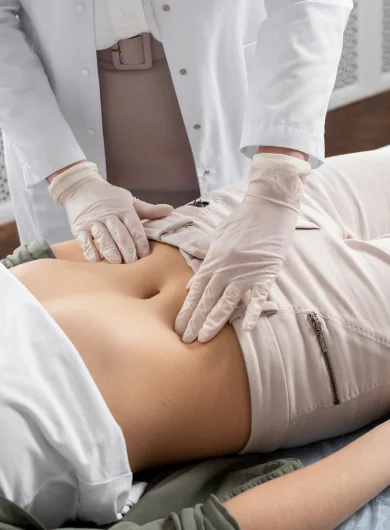
Many women with endometriosis experience pelvic pain, particularly during menstruation or sexual intercourse. Ultrasound can aid in the diagnosis when endometriotic tissue is located in the ovary and forms an endometrioma (ovarian endometriotic cyst). However, laparoscopy remains the gold standard for the definitive diagnosis of endometriosis.

5. Is Endometriosis Associated with Infertility?
If a woman has endometriosis, she may experience difficulty conceiving. Approximately 30–50% of women with endometriosis face infertility. The condition can impair fertility through several mechanisms, including anatomical changes caused by adhesions and fallopian tube obstruction, alterations in immune function, reduced oocyte quality due to changes in the hormonal microenvironment, and a less receptive endometrial environment for embryo implantation. However, the extent to which endometriosis affects fertility depends on the severity and stage of the disease.
Good health is more than the absence of illness; it’s a proactive journey, a commitment to our physical, mental, and emotional well-being. By being mindful of the choices we make and staying ahead with preventive care, we set the stage for a vibrant, fulfilling life.
6. Is Hormonal Treatment Recommended?
As endometriosis is an estrogen-dependent condition—requiring the presence of estrogen to develop and progress—it follows that hormonal therapies capable of suppressing estrogen levels can be effective in relieving symptoms and, in selected cases, improving reproductive outcomes. Treatment options such as combined oral contraceptive pills, progestogens, and other hormonal medications that suppress the hormones regulating the menstrual cycle have all been used successfully in the management of endometriosis.
7. Is Conservative Management, Surgical Treatment, or Another Approach Recommended?
The management of endometriosis should always be individualized, taking into account the severity of the disease, the woman's symptoms, her age, and her reproductive goals. Surgical treatment, by reducing the extent of endometriosis and restoring the normal anatomy of the pelvic reproductive organs, may increase the likelihood of spontaneous conception. In women undergoing in vitro fertilization (IVF), a combined approach involving surgery and hormonal or medical therapy may further improve pregnancy rates in appropriately selected cases.
8. Are Exercise and Nutrition Linked to Endometriosis?
Nutrition plays an important role in the clinical management of endometriosis, as it may help reduce the chronic inflammation associated with the condition and support the healthy metabolism of estrogen. A diet rich in dietary fiber is considered beneficial because it may help lower circulating estrogen levels, while omega-3 fatty acids possess anti-inflammatory properties that may help alleviate endometriosis-related inflammation. Micronutrients such as calcium, magnesium, and zinc may also contribute to muscle relaxation and help reduce menstrual pain (dysmenorrhea). Conversely, it is generally advisable to limit the consumption of caffeine, alcohol, red meat, processed foods, and refined sugars. Some women may also benefit from reducing or eliminating gluten and dairy products, although the evidence for these dietary modifications remains less conclusive. These dietary factors have been associated with increased estrogen activity, enhanced inflammatory responses, and worsening pelvic pain in some individuals.
Regular physical activity can also play an important role in alleviating the symptoms of endometriosis. Research suggests that activities such as swimming, brisk walking, and cycling may help reduce pelvic pain, improve mood and sleep quality, relieve constipation—which can exacerbate pelvic pain—and strengthen the pelvic floor muscles. Together, these benefits may contribute to an overall improvement in the clinical symptoms and quality of life of women with endometriosis.
Sign up for free Session!
It’s easy and free!